
Best Cold Plunge Tub
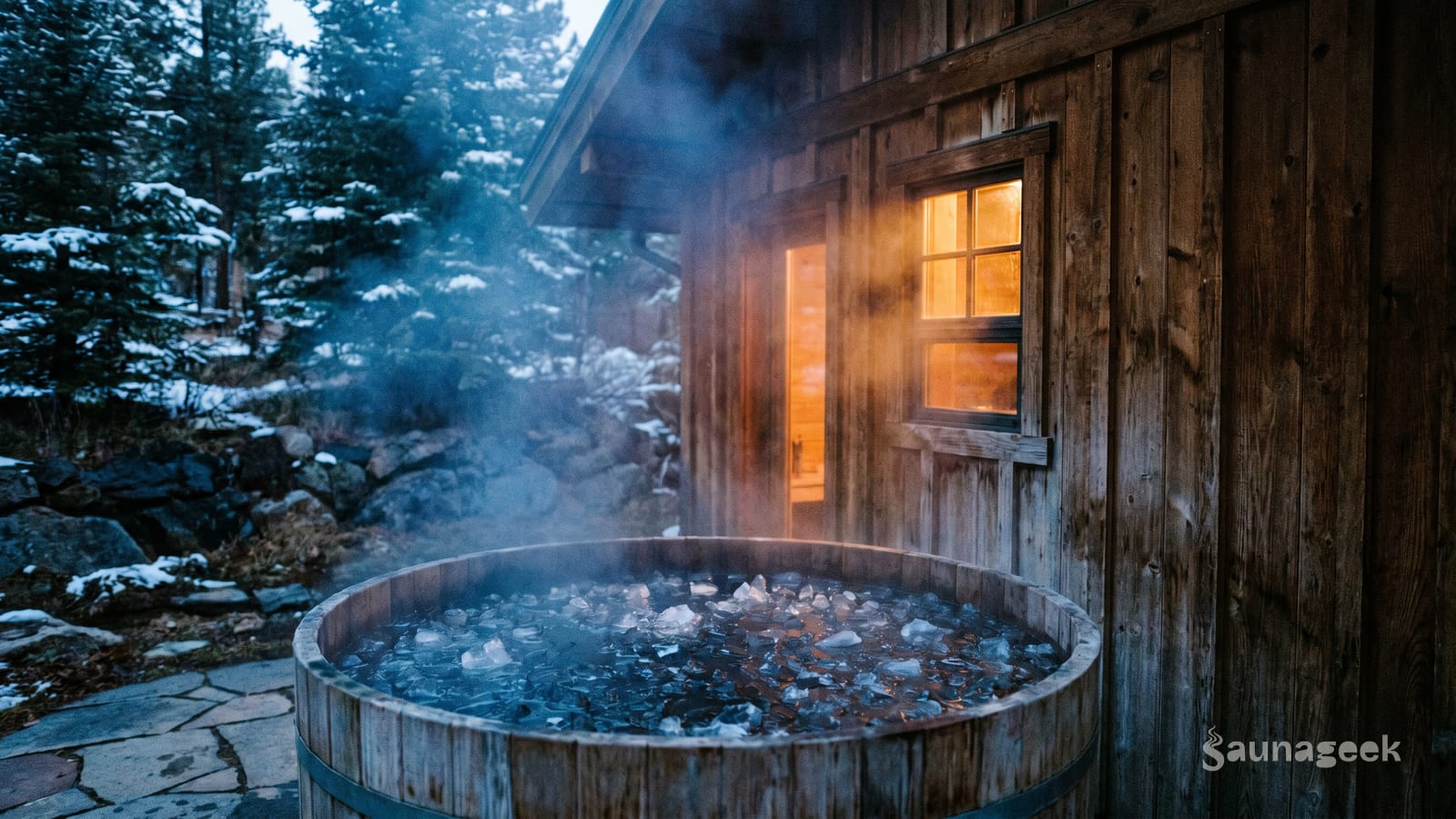
Cold plunge tubs are having a moment. Walk into any gym, wellness studio, or serious home sauna setup and you’ll likely find one sitting in a corner, chest-high and steaming. The appeal is real: cold water immersion after a sauna session hits differently than a shower, and the research backing cold therapy for recovery and mental clarity keeps stacking up.
This guide covers everything you need to know before buying. The space between a $300 ice barrel and an $8,000 automated system is large, and most people spend too much because they skip the first question every buyer should answer.
What Is a Cold Plunge Tub?
A cold plunge tub is a vessel designed for full-body immersion in cold water, typically maintained between 10 and 15 degrees Celsius (50-59F). The idea comes from a tradition older than wellness trends: Finnish sauna culture has long paired intense heat sessions with cold water dips in lakes, rivers, or snow. The modern cold plunge tub just brings that into a controllable, year-round setup.
There are two broad categories, and this is the fork where most buyers take a wrong turn:
Ice bath refers to a simple tub you fill manually with water and ice. No chiller, no plumbing. You dump in bags of ice, get in, and drain it when you’re done. Upfront cost is low (typically under $500) and the setup is minimal. The tradeoff is that maintaining consistent temperature requires planning. If you want to plunge in the morning and the ice melted overnight, you’re adding more ice or waiting.
Chiller-equipped tub uses an integrated refrigeration unit to maintain water temperature automatically. You set it to 12C (54F) and it holds that temperature 24/7. No ice, no guessing. The flip side is a higher price tag ($1,500 to $10,000+), more complex maintenance, and power requirements that a simple ice barrel does not have.
Most roundups jump straight into model comparisons without making you decide between these two paths first. That is a mistake. Your answer to the ice bath versus chiller question determines everything else about your setup.
What Are the Benefits of Cold Plunge Therapy?
Cold water immersion has been studied reasonably well in exercise recovery contexts. The evidence is strongest for a few areas:
Post-exercise muscle recovery. Multiple studies show reduced perceived muscle soreness after cold water immersion compared to rest. The mechanism is straightforward: cold water reduces blood flow and metabolic activity in muscle tissue, which appears to limit secondary tissue damage after strenuous exercise. This does not make cold plunging magic. It makes it useful.
Dopamine and mood. Here is where the research gets interesting for people who are not athletes. Cold water exposure triggers a significant noradrenaline response. One study measured a roughly 530% increase in noradrenaline during cold water immersion. Noradrenaline is not the same as dopamine, but it acts on similar pathways and is strongly tied to alertness, focus, and mood. Cold plungers frequently report feeling unusually clear-headed and calm for hours afterward. The anecdotal consistency is striking even if the exact mechanisms are still being characterized in research.
Mental resilience and stress response. Regular cold exposure appears to reduce the sympathetic nervous system overreaction to minor stressors. People who plunge consistently often describe becoming less reactive to everyday stress. The research here is preliminary, but winter swimmers and cold water athletes show measurable differences in stress biomarkers over time.
Cold shock proteins and blood flow. When your skin hits cold water, your body initiates a cold shock response that drives blood vessel constriction followed by a rebound rush of circulation when you warm up. Over time, this repeated peripheral vasoconstriction and reperfusion may support vascular health and metabolic function. This is still an emerging research area.
Recovery and sleep. Anecdotally, people who do contrast therapy (sauna then cold plunge) frequently report better sleep quality. The heat expands, the cold contracts, and the resulting circulatory pump leaves most people pleasantly exhausted. This is not a miracle cure for insomnia, but the pattern is consistent enough that it shows up in wellness communities reliably.
The evidence is less clear on cold plunging for immune function or metabolic rate. Some studies suggest modest benefits; others find nothing. Be skeptical of strong claims in either direction on those topics.
Ice Bath or Chiller: Which Do You Actually Need?
This is the decision most buyers get wrong, usually by defaulting to a chiller tub without asking the foundational question.
Choose an ice bath if: you are new to cold plunging, you want to try it without committing $2,000+ to the idea, you do not plan to use it daily, you are comfortable with a simple routine (fill, add ice, plunge, drain), or you are on a tight budget. An ice barrel or simple plunge pool costs $200 to $500 and delivers the full cold therapy experience. The lack of automation is a feature for some people: the ritual of preparing the ice is part of the practice.
Choose a chiller-equipped tub if: you plan to plunge daily or near-daily, you want to step in without advance preparation, you live in a warm climate where ice melts fast, or you are setting up an outdoor installation in direct sunlight. Chillers also make more sense for shared household use where the logistics of ice management become tedious.
The hybrid option is worth knowing about: some mid-range tubs (notably the Renu Therapy Arctic and similar roto-molded units) can function as ice baths initially and accept a chiller attachment later. If you are uncertain, a tub with upgrade potential lets you test the ice bath approach and add automation without replacing the whole vessel.
A chiller is not a status symbol. It is a convenience tool. If you enjoy the ritual of ice preparation, skip it.
What to Look for When Buying a Cold Plunge Tub
Once you know whether you need a chiller, these are the criteria that actually matter:
Size and depth. Measure your available space and compare it to the tub’s interior dimensions before buying. Depth matters: a shallow tub may not cover your chest, which changes the experience significantly. Most serious cold plungers prefer at least 36 inches of depth for full submersion. Also check the external footprint, especially for outdoor installations where the tub sits in the weather.
Temperature range and hold performance. Manufacturers often advertise the minimum temperature a tub can reach. What matters more is how well it holds your target temperature in your environment. An underpowered chiller in a hot garage in July will struggle to maintain 12C (54F). Check BTU ratings on chillers: 1/4 HP is minimum for a small indoor tub; 1/2 HP or higher is more reliable for outdoor use in warm climates.
Chiller power (if applicable). BTU rating, compressor size, and whether the chiller is integrated or an add-on module. Add-on chillers are less efficient than built-in systems because heat exchange losses are higher between separate units.
Material and durability. Acrylic shells are common in mid-range and premium tubs. Roto-molded plastic is lighter and more affordable. Stainless steel is the most durable option but significantly more expensive. Inspect the wall thickness on plastic units: thin walls flex more and insulate less, which means your chiller works harder.
Indoor versus outdoor rating. An outdoor-rated tub needs a fitted cover, UV-resistant materials, and weather-sealed electronics. Indoor-rated tubs may not have these features. Some tubs are rated for both; others explicitly are not.
Drainage. How does the tub empty? Hose attachment with gravity drain is most common. Pump-assisted drains are faster but add a point of maintenance. Check how long a full drain takes: 20 to 30 minutes for gravity drain is normal, plan accordingly.
Filtration and water management. Active filtration systems (cartridge filters) extend the time between water changes. Some systems use UV sterilization or ozone in addition to mechanical filtration. The more complex the system, the more maintenance it requires. Simpler is often better.
Power requirements. Most residential chillers run on a standard 15-amp 120-volt circuit, but larger units may require a dedicated 20-amp circuit or even 240-volt connection. Check before you buy, especially for outdoor installations far from your electrical panel.
Best Cold Plunge Tubs by Budget
Budget pick (under $500): Ice Bath Setup
For under $500, you are looking at manual-fill ice baths, not powered chillers. That is not a compromise: you get genuine cold therapy without the complexity.
The Polar Monkeys Ice Bath or a simple barrel-style ice tub (insulated, with a lid) is the right move here. Fill it with water, add ice, and you are done. The RRP Polar Baths and similar roto-molded barrels are durable, weather-resistant, and hold temperature reasonably well with ice. The maintenance burden is low: rinse after use, drain and dry between sessions, deep clean monthly.
Who it is for: beginners, budget-conscious buyers, people who want to try cold plunging before investing in a full setup.
Verdict: You do not need to spend $2,000 to get real results from cold therapy. This is the honest answer.
Best value chiller tub ($1,500 to $3,500)
The Renu Therapy Arctic is the strongest contender in this range. It offers a roto-molded shell, an integrated chiller, solid temperature hold, and a price that undercuts the premium brands by a significant margin. Filtration is good for the price. The main trade-off is build quality on the cover and some long-term durability questions on the pump.
The Sun Home Neverslate sits at the higher end of this range and earns it. The build quality is genuinely premium, the chiller is reliable in outdoor summer conditions, and the app control is well-designed. Maintenance burden is moderate. If you want a chiller tub that will last and do not need the absolute top tier, this is where to stop spending.
Premium pick ($5,000 to $8,000)
The Plunge Pool Original is the product that defined this category. It has an established brand, solid warranty, and a wide dealer network. The chiller is reliable and the filtration system is well-engineered.
But here is an honest take: the Plunge has real maintenance burden. Owners frequently report that the filter changes are fiddly, the chiller is loud during its cycling phase, and customer service response times have been inconsistent. These are not deal-breakers for a well-built product, but they are worth knowing before you spend $6,000. A competitor worth considering is the Mistle High Dive, which offers comparable performance with a more straightforward maintenance design and better customer support reputation.
Best for outdoor and cold climate use ($6,000+)
Outdoor winter use is where many chiller tubs fail. The combination of below-freezing ambient temperatures and a refrigerated chiller creates conflicting demands: the chiller needs ambient warmth to reject heat, and an outdoor tub in winter may be too cold for efficient chiller operation.
The Sun Home Neverslate handles this better than most because its chiller is designed with climate adaptability in mind and the insulated cover is genuinely weather-rated. For harsh winter installations, some owners opt to house the tub in an insulated shed or semi-enclosed space to buffer ambient temperature swings.
The Norlynx Pro is a newer entrant built specifically for outdoor use in variable climates. Stainless steel shell, integrated chiller with a wider operating range, and a genuinely outdoor-rated control system. It costs more, but it is the most honest option for someone in a climate with real winters.
How to Use a Cold Plunge Tub Safely
The risks of cold plunging are real but manageable with basic awareness.
Temperature. For most people, 10 to 15C (50-59F) is the right range. This is cold enough to trigger the cold shock response and gain the documented benefits without the extreme risks of colder water. If you are an experienced plunger and have built tolerance over weeks, you can move lower, but 5 to 10C (41-50F) should be your floor.
Session length. Two to five minutes is sufficient. Your body adapts to cold exposure within that window. Staying longer does not increase recovery or mental benefits and raises the risk of cold-related injury. The idea that longer is better is a misunderstanding of how cold therapy works. Get in, breathe through the initial shock response, stay for a few minutes, get out.
Frequency. Two to four sessions per week is well-supported for recovery benefits. Daily use is common for mental health and mood regulation practices. The winter swimmer research supports daily cold water exposure over time without adverse effects on healthy adults.
Medical contraindications. Do not use a cold plunge if you have diagnosed heart disease, uncontrolled high blood pressure, cold allergy (cold urticaria), or Raynaud’s phenomenon. If you are on medication that affects temperature regulation, check with your doctor. Pregnant women should consult a healthcare provider before cold immersion.
The cold shock response. On first entry, you will experience an involuntary gasp reflex and a rapid increase in heart rate. This is your body’s evolved response to sudden cold immersion and it is completely normal. It is also why you should enter slowly, especially for the first several sessions. Do not submerge your face on the first entry. Let your body calibrate before going deeper.
Setting Up Your Cold Plunge: Practical Requirements
This section is absent from most cold plunge guides, which is how people end up buying a tub that does not fit their space.
Floor load. A filled cold plunge tub weighs between 225 and 500 kg (500 to 1,100 lbs), depending on size. Most residential floors will handle this without issue. Upper floors and some deck constructions may not. Check before placing a filled tub. A partially filled tub during drainage operations may still weigh enough to matter.
Indoor setup. You need nearby drainage. Most indoor setups connect the tub drain to a nearby floor drain or utility sink via hose. Humidity is a consideration: the evaporation from a cold water surface will raise ambient humidity in an enclosed room. Ventilation matters, especially in smaller bathrooms. An exhaust fan is advisable for regular indoor use.
Outdoor setup. UV exposure degrades some plastics and cover materials over time. Shade or a covered structure extends the life of the tub and cover. Freezing temperatures require winterization: draining the tub, cleaning it, and storing the cover properly. Some insulated covers can handle light freezing without damage; others crack.
Electrical. Standard 120V 15-amp outlet is sufficient for most residential chillers. Larger chillers (1/2 HP and above) may need a dedicated 20-amp circuit. If you are installing outdoors and far from your electrical panel, factor in the cost of running a dedicated circuit.
Cold Plunge Tub Maintenance
Most reviews mention maintenance in a single paragraph. That is not enough.
Draining. Plan for 20 to 30 minutes to drain a full-size tub via gravity hose. You will need a destination for 150 to 300 liters (40 to 80 gallons) of water. If you drain onto grass or a garden, be aware that repeated large-volume cold water dumps can affect soil temperature and root systems.
Filter changes. Active filter cartridges typically need replacement every 2 to 4 weeks with regular use. The frequency depends on usage volume, water quality, and whether you rinse the filter between changes. Carry spare filters so you are not caught without one.
Water chemistry. Most systems recommend chlorine or bromine to prevent bacterial growth. Test strips are cheap and worth keeping near the tub. Check chlorine levels before each use if you are using a floating chlorine dispenser. Bromine is more forgiving at higher pH but more expensive.
Cleaning schedule. Quick wipe-down after each use (2 minutes with a non-abrasive cloth) keeps biofilm from building up. Monthly deep clean involves a full drain, scrubbing the shell, cleaning the cover, and flushing the filtration system. This takes 45 minutes to an hour.
Winterization. For outdoor tubs in freezing climates: drain completely, clean the shell, remove and store the pump and filtration components indoors, and protect the cover from ice damage. Some owners install a small immersion heater in the drain line to prevent residual water from freezing.
Long-term reliability. Chiller pumps and seals have a finite lifespan. Budget for eventual repair or replacement. The Plunge’s chiller pump, for instance, is a $300 to $500 replacement item that most owners will encounter at some point over five years of daily use. This is not a defect; it is the reality of any refrigeration system exposed to continuous use.
Cold Plunge Tub FAQ
Do you really need a chiller, or is an ice bath enough?
An ice bath is enough for genuine cold therapy. The evidence for recovery and mood benefits does not require a powered chiller. If you do not mind preparing ice and you do not need daily convenience, a simple ice barrel is the better buy. The chiller is a convenience tool, not a superior therapy tool.
How cold should a cold plunge tub be?
10 to 15C (50-59F) is the sweet spot for most people. If you are new, start at the warmer end. Experienced plungers who have built tolerance sometimes go lower, but the additional benefit beyond 10C is marginal. The goal is consistent cold exposure within a meaningful range, not the coldest water you can tolerate.
Can you use a cold plunge tub outdoors in winter?
Yes, with the right tub and proper winterization. Some models handle cold climates better than others. Stainless steel shells and genuinely outdoor-rated chillers with wide operating ranges perform best. You need to drain and properly store the tub during prolonged freezing periods in most climates.
How much does a cold plunge tub cost to run?
Electricity for a chiller adds roughly $10 to $30 per month depending on usage frequency, ambient temperature, and electricity rates. Water and chemicals add a smaller amount. The running cost is not negligible but is generally lower than people expect for a refrigeration device of that size.
Is cold plunging safe for everyone?
No. Heart conditions, uncontrolled high blood pressure, cold allergy, and Raynaud’s phenomenon are clear contraindications. If you have any medical condition that affects circulation or temperature regulation, consult your doctor before starting cold water immersion.
How often should you change the water?
With an active filtration system and regular chlorine or bromine maintenance, every 2 to 4 weeks for frequent users. If the water looks cloudy or smells off before that, change it sooner. Filter checks every week, filter changes every 2 to 4 weeks depending on usage.
Can you do contrast therapy (sauna then cold plunge) every day?
Yes, many people do daily hot-cold cycling. The contrast between 80 to 100C sauna heat and 10 to 15C cold water is a powerful physiological stimulus, and your body adapts to it. Start with 2 to 3 sessions per week and build up. Listen to your body. If you feel consistently exhausted rather than energized, back off.
What is the difference between a cold plunge and a hot tub?
They serve opposite purposes. A hot tub provides heat immersion for relaxation and social use. A cold plunge provides cold immersion for recovery, alertness, and mood. Some tubs offer both heating and cooling in a single unit, which is convenient for contrast therapy if you have the budget and space.
Final Thoughts
The right cold plunge tub is the one that matches how you actually live. If you are disciplined about preparation and enjoy the ritual, an ice barrel will serve you as well as any premium chiller. If you want to step in at 6am without planning, spend the money on a reliable chiller unit and budget for the maintenance it requires.
The cold plunge community has a tendency to escalate. One tub leads to a better chiller, which leads to a dedicated space, which leads to a custom installation. Start simple. Prove the habit before investing heavily in the setup.
And if you are reading this from inside a sauna: finish your session, towel off, and take the plunge. The contrast is where the magic lives.