
Sauna and Sports Recovery – How Heat Helps Your Body Bounce Back
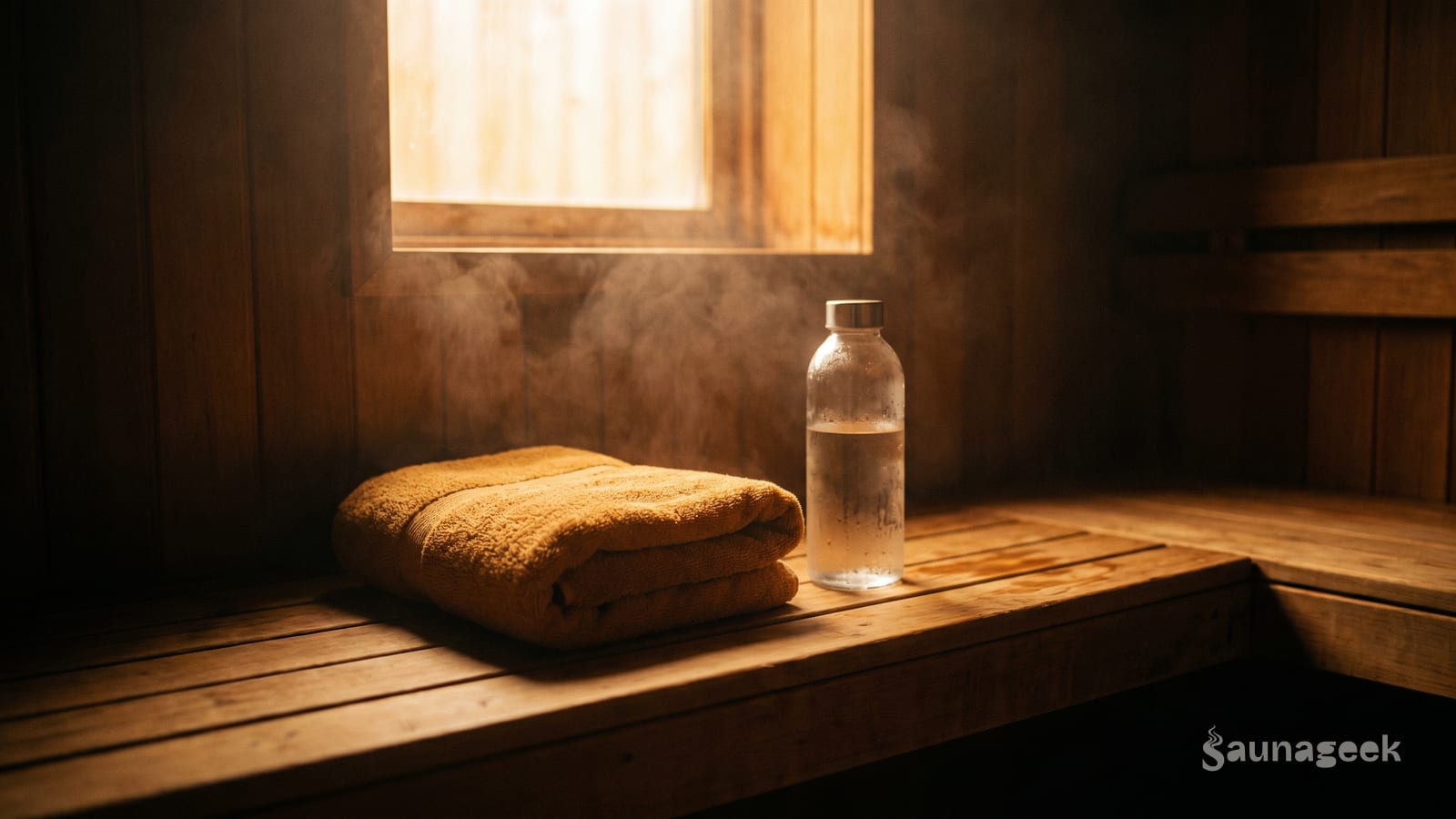
Regular sauna use for sports recovery can reduce muscle soreness, improve circulation, and help your body clear the metabolic junk that builds up during hard effort. The evidence is real, though not magical. Sauna is a recovery tool, not a substitute for sleep, good nutrition, and smart training load management.
Here is what the research actually shows, and how to use sauna for recovery in practice.
Does Sauna Help with Sports Recovery?
Yes. Post-workout sauna use consistently shows reductions in delayed onset muscle soreness (DOMS) and supports faster return to baseline performance in repeated exercise tests. The mechanisms are well understood: heat dilates blood vessels, increasing blood flow to muscles, which helps flush metabolic waste products like lactic acid and inflammatory markers.
Research in the Journal of Athletic Training and Journal of Strength and Conditioning Research supports these effects, though the literature is not large enough to make definitive claims about every recovery outcome. What the evidence does show is clear enough to act on.
How Sauna Supports Recovery - The Science
Increased circulation. Heat causes vasodilation. Blood vessels widen and blood flow to muscles increases significantly during a sauna session. After exercise, that increased flow helps deliver oxygen and nutrients where they are needed most, while helping transport waste products away. Think of it as a natural flushing mechanism.
Heat shock proteins (HSPs). Mild heat stress triggers HSPs, which aid cellular repair and have demonstrated anti-inflammatory effects. This is the same adaptive response your body uses to handle fever and environmental stress. In the sauna, you are deliberately invoking it at a controlled intensity.
Reduced DOMS. Multiple controlled studies show lower perceived muscle soreness scores after sauna use following exercise. The effect is not dramatic, but it is consistent enough to appear across several independent trials.
Improved sleep. Heat exposure in the evening promotes deeper, more restorative sleep. Sleep is arguably the most important recovery factor there is, and anything that genuinely helps sleep quality deserves a place in your routine.
Note on infrared saunas. Infrared units claim deeper muscle penetration because they heat the body directly rather than heating the air first. The evidence for meaningfully better recovery outcomes compared to traditional saunas is limited. Both types produce the core mechanisms described above. Skip the marketing hype and pick whichever you have access to.
Best Sauna Type for Recovery - Traditional or Infrared?
Traditional dry-heat saunas (70 to 90°C / 158 to 194°F) have centuries of use and the strongest evidence base. Infrared saunas (40 to 60°C / 104 to 140°F) are equally valid for recovery, despite marketing claims to the contrary. Both work. Use what you have.
Sauna Recovery Protocol - How to Use Sauna After Training
Timing. Aim for 30 to 60 minutes after your workout. Your muscles are still warm, blood flow is elevated, and you are not yet dehydrated from hours of exertion. Rest days also work well. Sauna on a rest day supports circulation and sleep without interfering with training adaptation.
Session length. Start with 10 to 15 minutes per round. If you are experienced, 20 minutes is acceptable. Two to four rounds is typical for a full session. Listen to your body. If you feel lightheaded or nauseated, get out.
Temperature. Target 70 to 90°C (158 to 194°F) for a traditional sauna, 40 to 60°C (104 to 140°F) for infrared. These ranges are based on what most studies use and what experience supports.
Hydration. This is non-negotiable. Drink water before and after your session. A typical sauna session can lose you 500 ml or more in sweat. Rehydrate before you start feeling thirsty.
What to do:
- Shower before entering. Rinse off sweat and bacteria
- Sit on a towel
- Cool down gradually after the final round
- End with at least a few minutes of rest
What not to do:
- Do not go in dehydrated
- Do not exceed 20 minutes per round when starting
- Do not use alcohol before or during sauna
- Do not push through dizziness or nausea
Contrast Therapy - Sauna and Cold Plunge
This is the gold standard for athletes who want to maximise recovery. Alternating heat and cold creates a powerful pumping effect through repeated vasodilation and vasoconstriction, driving blood in and out of muscle tissue faster than heat alone.
Protocol:
- 15 minutes in the sauna
- 2 to 3 minutes in cold plunge or cold shower
- Repeat for 3 to 4 cycles
- Always finish on cold
Hot-to-cold ratio should be roughly 3:1 or 5:1 in time. If you do not have a cold plunge, a cold shower or cold water immersion works.
Sauna for Active Recovery vs. Rest Days
Post-competition or post-intense training: Yes. Sauna after a hard session is one of the best uses of it. You get the circulation boost when your muscles need it most.
Rest days: Yes. Sauna on a rest day supports systemic recovery through improved blood flow and sleep quality. It is a good way to stay loose and benefit from heat without training load.
Pre-workout: Limited benefit and a real risk. Sauna before training can leave you dehydrated and slightly compromised. Use it after training, not before.
Overtraining syndrome: Sauna will not fix it. If you are in a recovery deficit, address training load first. Sauna can support recovery within a sensible programme, but it cannot compensate for systemic overreaching.
Safety and Caveats
Alcohol and sauna do not mix. Never combine them.
People with cardiovascular conditions should consult a doctor before using sauna. Heat stress places real demands on your heart and circulatory system.
Pregnant women should avoid sauna, particularly in the first trimester.
Dizziness or nausea means get out immediately. Sauna does not replace sleep, proper nutrition, or sensible training load management.
Frequently Asked Questions
Does sauna replace ice baths for recovery? No. Ice baths and sauna serve different purposes. Ice baths primarily reduce inflammation; sauna improves circulation and promotes relaxation. Contrast therapy uses both. They work through different mechanisms.
How often should athletes use sauna for recovery? 3 to 5 sessions per week is common. Daily use is fine if you stay hydrated and tolerate the heat. Post-workout on heavy training days is the most useful time.
Can I use sauna on rest days? Yes. Rest-day sauna supports circulation and sleep. It does not interfere with recovery processes.
How long should I stay in the sauna after a workout? 10 to 20 minutes per round, 2 to 4 rounds total. Start conservative and build up as your heat tolerance improves.