
Sauna and Growth Hormone – What the Science Says
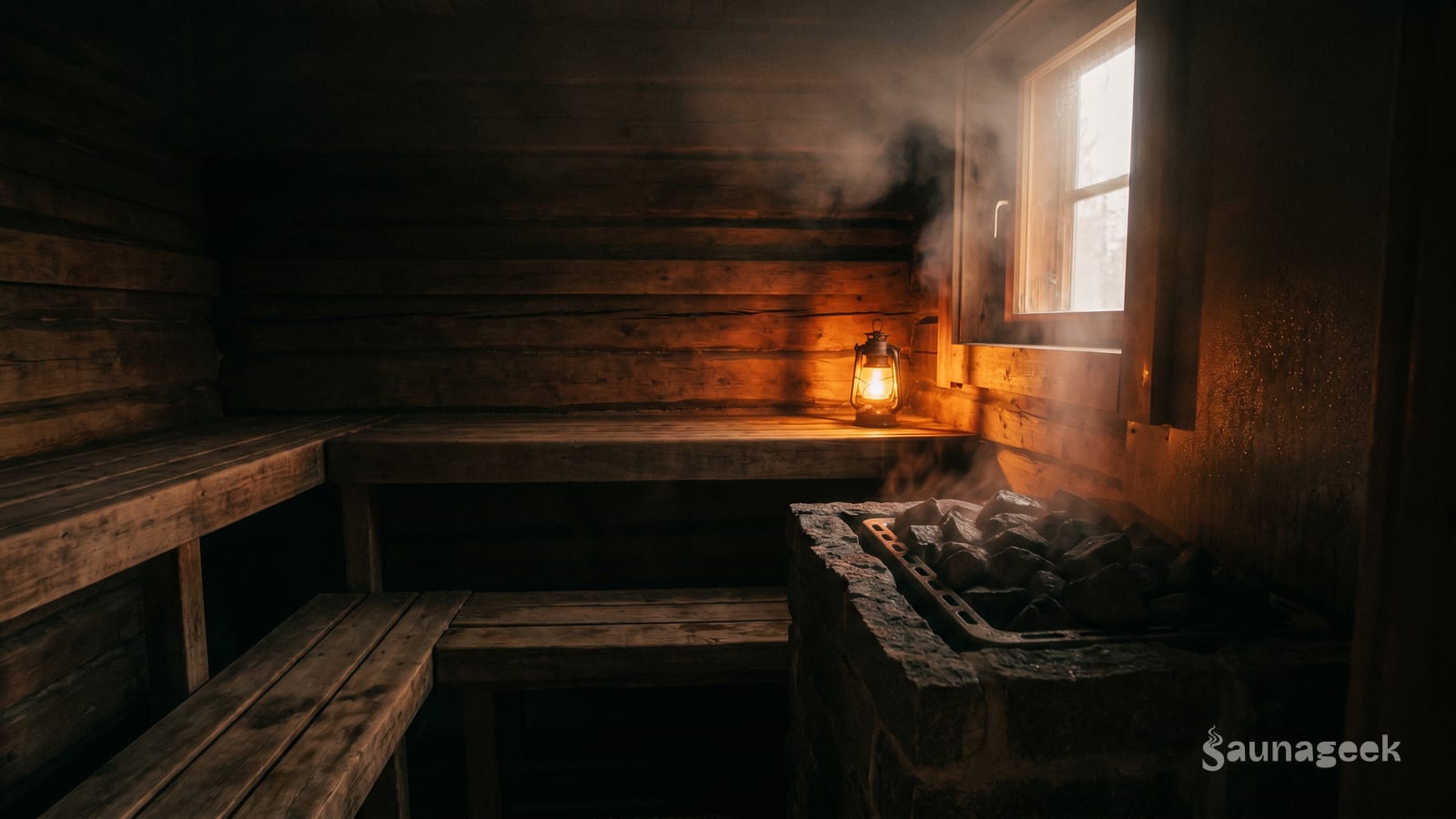
Yes, sauna growth hormone increases are real. Depending on the protocol, you can see a 2 to 5 fold increase in a single session, or as much as 16 fold if you push hard with repeated heat exposures. But the protocol matters enormously, and most of what circulates online is a rehash of the Huberman Lab episode without much context for why traditional Finnish sauna specifically drives this response. Let us fix that.
What Growth Hormone Actually Does
Growth hormone (GH) is a peptide hormone produced by the pituitary gland. It does more than just make you taller. GH drives muscle repair and protein synthesis, supports bone density, regulates metabolism, and promotes fat oxidation. Adults with low GH tend to carry more visceral fat, recover more slowly from exercise, and feel generally worn down.
You cannot meaningfully supplement GH without a prescription. But you can influence how much your body produces naturally. Heat exposure through sauna is one of the most effective levers.
The Science: How Sauna Heat Triggers GH Release
Heat stress activates the hypothalamus-pituitary axis. The hypothalamus releases growth hormone-releasing hormone (GHRH), which signals the pituitary to secrete GH. This is the same pathway exercise uses, which is why heat and physical activity work synergistically.
Heat shock proteins (HSP70 and HSP90) play a supporting role. These molecular chaperones are upregulated during heat stress and help protect cells from damage while facilitating repair processes. They are not unique to sauna, but their activation is part of the mechanism linking heat exposure to the hormonal cascade.
The autonomic nervous system also gets involved. Sympathetic activation occurs during the session, followed by a parasympathetic rebound afterward. This parasympathetic shift is part of why evening sauna use tends to improve sleep onset.
Study specifics vary, but the pattern is consistent. A 15-minute Finnish sauna at 72 degrees Celsius pushed GH from roughly 2 to 5 micrograms per liter. Four sessions of 30 minutes produced the dramatic 16-fold increase reported in the Fyre study. Most people doing a standard two to four session protocol see a 2 to 5 times increase. These are not marginal effects.
Optimal Protocol for Growth Hormone
Here is what actually works, broken down by the variables that matter.
Temperature. Aim for 80 to 100 degrees Celsius (176 to 212 Fahrenheit) in a traditional dry sauna. This is the range where the evidence is strongest. Traditional Finnish sauna is not a comfortable warm bath. It is deliberately hot.
Duration. Fifteen to 30 minutes per session. Longer is not automatically better, and beyond 30 minutes you start trading diminishing returns for increasing fatigue.
Sessions per day. Two to four rounds in a single day produces the largest GH spike. You do not need to do this every day.
Frequency. This is the part most articles get wrong. Once per week or less optimizes the GH response. Frequent sauna use causes GHRH receptor downregulation, which means your body becomes less responsive to the stimulus. If you want the maximum hormonal benefit from a session, do not back it up with five more sessions that week. For general health and recovery, two to three sessions per week is reasonable. For GH specifically, spacing matters.
Metabolic state. No food two to three hours before a session. A semi-fasted state supports the hormonal response.
Timing. Afternoon or evening is preferred. GH follows a circadian rhythm with a natural peak during early sleep. Evening sessions align with this and the subsequent parasympathetic rebound aids sleep onset.
Contrast therapy. A cold shower between rounds amplifies the stimulus. The contrast between hot and cold pushes the autonomic system harder than heat alone. This is optional but effective.
Traditional Sauna vs. Infrared vs. Steam Room for GH
Not all saunas are equal when it comes to growth hormone.
| Sauna Type | Temperature Range | GH Evidence Strength |
|---|---|---|
| Traditional Finnish dry | 80–100 °C | Strong |
| Infrared | 45–60 °C (cabin temp) | Weaker, less research |
| Steam room | 40–45 °C | Minimal |
Traditional dry sauna has the strongest evidence. Infrared saunas operate at significantly lower temperatures and penetrate differently. The research on infrared and GH specifically is sparse and less conclusive. Steam rooms run too cool and too humid to generate the same heat stress response. If GH optimization is your goal, traditional dry heat is the clear choice.
Sauna + Exercise: The Synergy
Heat exposure and exercise use overlapping hormonal pathways. Combining them produces a greater GH response than either alone. Post-workout sauna timing is more effective than pre-workout for capturing the combined spike. The exercise session itself triggers GH release, and the subsequent heat exposure amplifies and prolongs that effect.
If you are training hard and want to maximize recovery, a 15 to 20 minute sauna session after your workout is a practical protocol. Do not train intensely on an empty stomach if you are combining both. Fuel the work, then recover with heat.
Practical Program: Building a GH-Focused Sauna Habit
Weeks 1–2. Three sessions, 10 minutes each, moderate temperature. Build tolerance before pushing the protocol.
Weeks 3–4. Four sessions, 12 to 15 minutes, 71 to 77 degrees Celsius (160 to 170 Fahrenheit). Start approaching the evidence-based range.
Week 5 and beyond. One GH-focused session per week using the full protocol: 2 to 4 rounds, 15 to 30 minutes each, high heat, evening timing, no food two to three hours before. Maximum two sessions per week if you are experienced and recovering well.
Consistency matters more than any single epic session. Regular moderate use builds the adaptation. Occasional long sessions do not substitute for a habit.
Safety Notes
Sauna is safe for most healthy people. A few precautions apply.
Medical clearance is warranted if you have cardiovascular conditions. Heat puts stress on the circulatory system. If you are on blood pressure medications, sedatives, or diuretics, check with your doctor. These can interact with heat exposure in ways that are not immediately obvious.
Contraindications include uncontrolled hypertension and acute inflammatory conditions. Heat can elevate blood pressure temporarily, which is normal, but if your baseline is already problematic, sauna adds unnecessary risk.
Hydration: roughly 500 milliliters (16 ounces) of water per 20 to 30 minutes of sauna. Hydration before the session matters too. If you show up dehydrated, you will not perform well and the hormonal response suffers.
If you feel dizzy, nauseous, or disoriented, get out. These are not badges of honor. Heat exhaustion is a real thing and it does not make your GH numbers any better.
FAQ
How much does sauna actually increase growth hormone?
Studies report a 2 to 5 fold increase in standard protocols (2 to 4 sessions, 15 to 30 minutes each). The 16-fold figure comes from an aggressive protocol with four 30-minute sessions at high temperature. Most people will see the 2 to 5 times range, which is still a substantial hormonal signal.
Infrared vs. traditional sauna: which is better for GH?
Traditional Finnish dry sauna has stronger evidence. Infrared operates at lower temperatures and the GH-specific research is limited. If you only have access to an infrared sauna, use it, but understand the evidence base is thinner.
Does timing matter, morning vs. evening?
Evening is better for GH optimization. It aligns with the natural circadian peak in growth hormone and the post-session parasympathetic rebound improves sleep onset. Morning sessions are not harmful, but you lose some of the hormonal and sleep benefits.
Can I do sauna every day and still get GH benefits?
Daily sauna use will blunt the GH response because of GHRH receptor downregulation. For GH specifically, once per week or less is optimal. For general health and recovery, two to three sessions per week is reasonable. You cannot maximize both at the same time with the same frequency.
Is the Huberman protocol the only evidence-based approach?
No. The Huberman protocol (four 30-minute sessions at high temperature) is one valid approach that produces dramatic results in studies. It is also the aggressive end of the spectrum. Most people do better with two to three rounds of 15 to 20 minutes. The science is not a single protocol, it is a dose-response relationship. Start moderate, see how you feel, adjust from there.